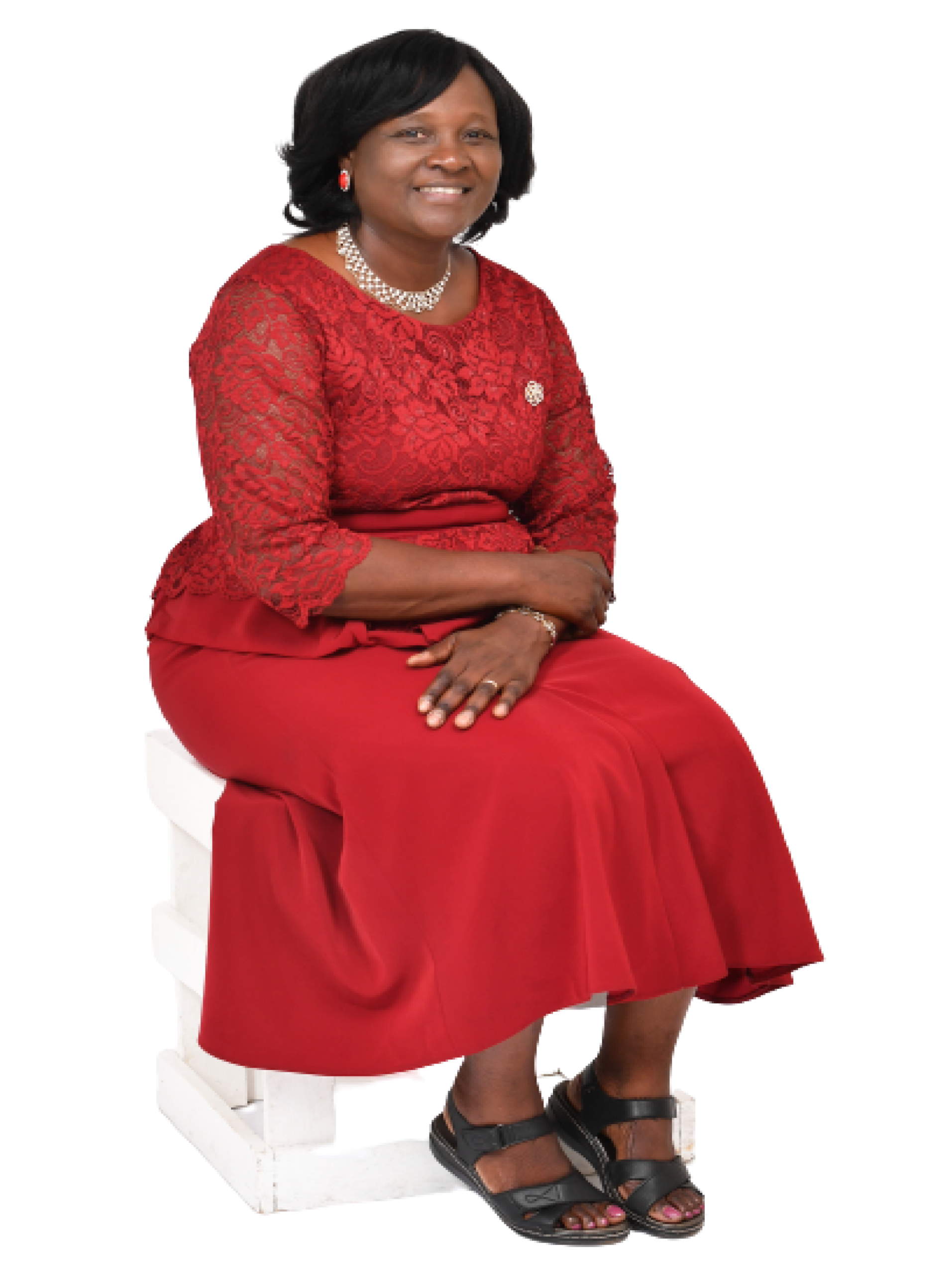
Currently shaping the next generation of educators as a University Supervisor, mentoring student candidates through clinical placements and pedagogical evaluations. As a Research Assistant for the NSF-funded "Who Tells it Best" project, Violet investigates the intersection of culturally sustainable partnerships and the school experiences of BIPOC preschoolers. She also serves as a Primary Instructor, leading senior-level courses on Science and Social Studies Inquiry.
A visionary leader who spearheaded the establishment of over 50 schools across East Africa through the Christian Education Mission (CEMEA). As Principal, she pioneered homeschooling frameworks in the region, supervising 2,000+ parents and mentoring 700+ students into successful higher education transitions. Her leadership spanned the American K-12, British IGCSE/IAL, and Kenyan national curricula.
I am currently deeply engaged in the academic and research community at the University of Illinois Urbana-Champaign within the CREATE (Curriculum Research, Early Childhood, Aesthetics, and Teacher Education) area. As a University Supervisor and Teaching Assistant, I mentor emerging educators through their clinical placements and serve as the primary instructor for senior-level inquiry courses in Science and Social Studies. My current research focus involves serving as a Research Assistant for the NSF-funded 'Who Tells it Best' project, where I investigate the school experiences of BIPOC preschoolers and the impact of culturally sustainable family partnerships. Beyond my academic work, I maintain a lifelong commitment to social advocacy, mentoring young women through the 'Vessels of Honor' program and providing literacy training to underserved women to foster financial independence. My work remains at the vital intersection of academic rigor and community transformation, as I strive to dismantle barriers for diverse learners globally

Proven track record of establishing over 50 schools and managing cross-continental educational missions.
Expert in school budgeting, teacher recruitment, and implementing long-range performance-boosting strategies.
A regional pioneer in designing and supervising alternative educational models for thousands of families.
Proven track record of establishing over 50 schools and managing cross-continental educational missions.
Expert in school budgeting, teacher recruitment, and implementing long-range performance-boosting strategies.
A regional pioneer in designing and supervising alternative educational models for thousands of families.
Drawing from my 32 years of leadership, I designed and launched The MILES Program. This Early Childhood curriculum is specifically tailored for the Kenyan education system, providing a value-based, progressive foundation for schools and homeschooling networks across East Africa
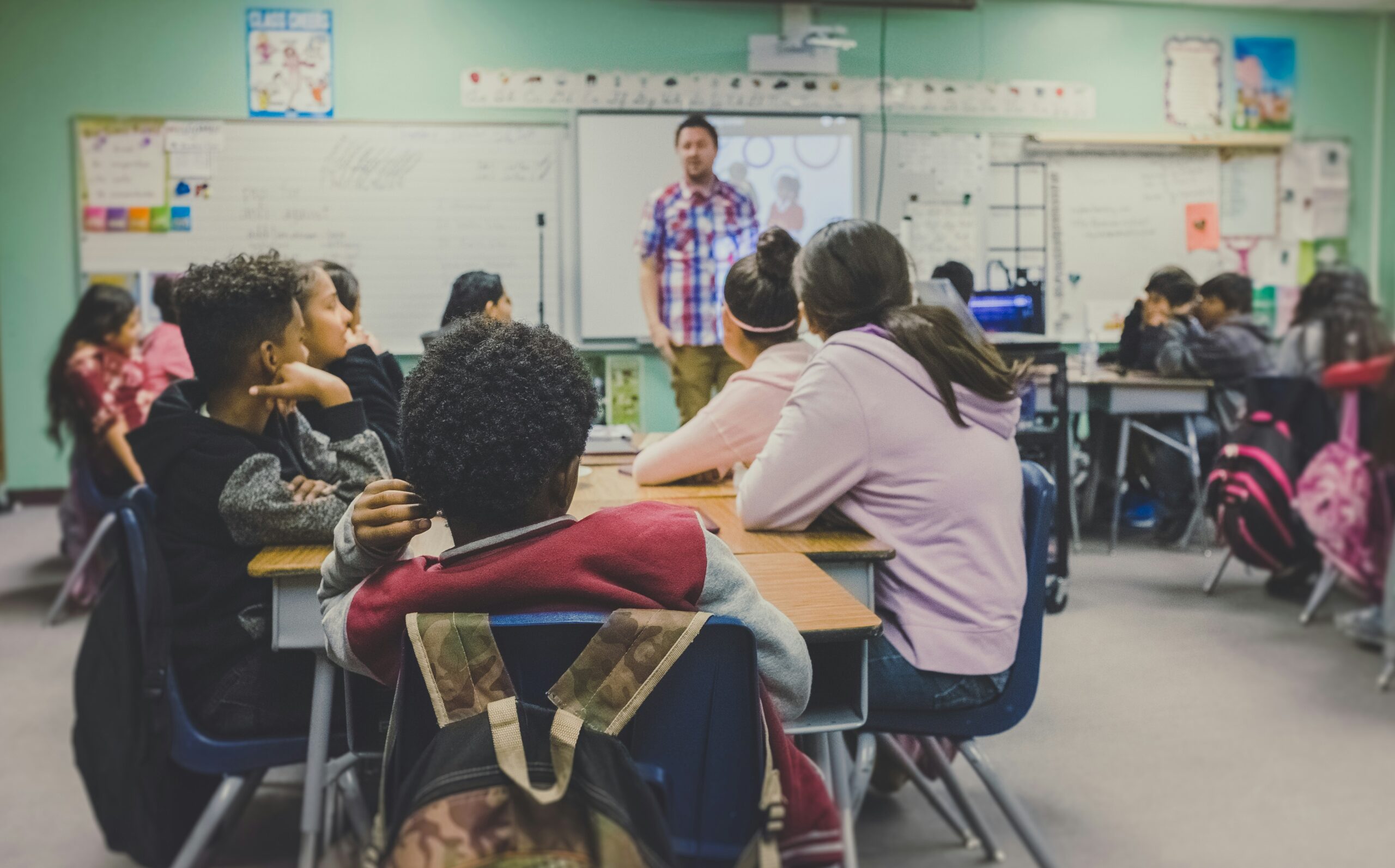
I serve as the Primary Instructor for senior education cohorts at UIUC, leading courses on Science and Social Studies Inquiry. I mentor future teachers in building inclusive communities of practice and using documentation as a tool for democratic action in the classroom.
As a Research Assistant at the University of Illinois, I contribute to the NSF-funded "Who Tells it Best?" project. I use child-centered interview protocols to investigate how BIPOC preschoolers experience school, aiming to build culturally sustainable partnerships between families and educators that foster long-term success.
Shaping the Future of the Teaching Vocation
Researching the Voices of Our Youngest Learners
Bridging Local Relevance with Global Standards
In the realm of customer service, our research papers delve into the creation and testing of an intelligent virtual assistant. The initial phase illuminates the meticulous design process, integrating advanced algorithms and user-centric principles. This user interface-focused exploration ensures not only technological sophistication but also a seamless and satisfying interaction for end-users.
Moving forward, our papers unveil the rigorous testing procedures applied to evaluate the virtual assistant's efficacy and reliability. From simulated scenarios to real-world applications, this research offers a comprehensive perspective on the transformative potential of intelligent virtual assistants in revolutionizing and elevating customer service experiences.
Within the educational landscape, our research endeavors to unravel the multifaceted role of technology in shaping modern learning experiences. The first segment scrutinizes the integration of technology in educational settings, examining its influence on pedagogical approaches and classroom dynamics. By exploring the synergies between traditional teaching methods and technological innovations, we aim to shed light on the evolving nature of education in the digital age.
Transitioning to the second phase, our research meticulously assesses the impact of technology on student learning outcomes. Through comprehensive analysis and empirical studies, we aim to delineate the nuanced effects technology has on cognitive development, academic achievement, and overall educational attainment. Join us in this exploration of how technology is not merely a tool but a transformative force, redefining the very essence of learning and paving the way for a technologically enriched educational future.
Embark on a journey through the intricate landscape of fraud detection and prevention with our research papers, as we delve into the transformative potential of artificial intelligence (AI) and machine learning. The first segment scrutinizes the foundational principles of AI and machine learning algorithms, revealing their capacity to discern patterns and anomalies within vast datasets. Unveiling the synergistic alliance between technology and the fight against fraud, our exploration underscores the dynamic capabilities that AI brings to the forefront of security strategies.
As we navigate deeper into the realm of fraud prevention, the subsequent papers unravel the practical applications of AI and machine learning in real-world scenarios. From adaptive fraud models to predictive analytics, our research showcases the efficacy of these technologies in staying one step ahead of evolving fraudulent tactics. Join us in deciphering how AI and machine learning stand as powerful allies in the ongoing battle against fraud, reshaping the landscape of security protocols with their proactive and adaptive capabilities.
By Violet Afandi Oduor
My journey began in Kenya, fueled by a passion for English Literature and the belief that every child has an inner potential waiting to be realized. Over the decades, I’ve had the privilege of founding over 50 schools across East Africa and pioneering homeschooling frameworks that empowered thousands of parents.
In those 32 years, I learned that a classroom is more than just four walls; it is a laboratory for human potential. However, I also saw the gaps—the moments where traditional systems fail our most diverse or disadvantaged learners.
Today, as a doctoral researcher at the University of Illinois Urbana-Champaign, I am taking those three decades of "on-the-ground" experience and putting them under the microscope. My current research within the CREATE (Curriculum Research, Early Childhood, Aesthetics, and Teacher Education) area is focused on one vital question:
How can we eliminate the environmental and systemic barriers that prevent teachers from truly meeting their learners' needs?
I am currently working on the NSF-funded "Who Tells it Best?" project, where we are investigating the school experiences of BIPOC preschoolers. By using child-centered research methods—actually listening to children in their own words—we are discovering how culturally sustainable partnerships between families and schools can change the trajectory of a child's life.
Whether I am instructing seniors at the university on the art of scientific inquiry or developing the MILES Program for early childhood centers in Kenya, my mission remains the same. I believe that for a student to succeed, they need an environment that recognizes their unique "inner self."
As I move forward in my doctoral journey, I am not just looking for academic answers. I am looking for practical solutions that a teacher in a rural Kenyan classroom or a metropolitan U.S. preschool can use to ensure no child is left behind.
The classroom is my tool, research is my compass, and transformation is my goal.